
Civil Engineering × Software × Artificial Intelligence
Understand.
Build.
Engineer.
A growing technical publication for engineers who want to understand the systems behind civil engineering, software, and applied AI.
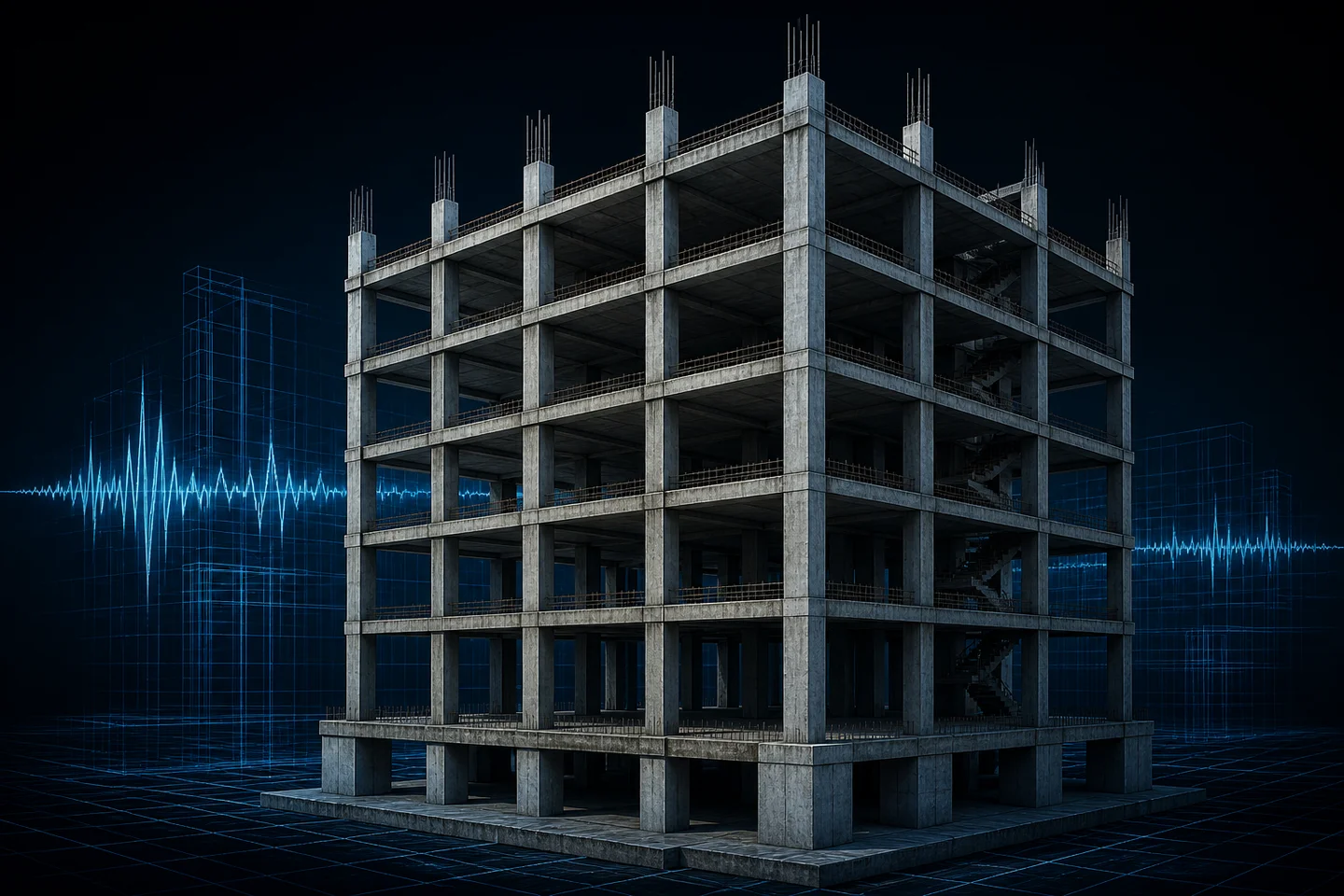



Conceptual schematics · not to scale
Knowledge areas
Explore by discipline

Structures
Design, analysis and evaluation of structures.
2 publications
Hydraulics
Open channels, water flow and hydraulic infrastructure.
5 publications
Geotechnics
Soil mechanics, foundations and stability.
1 publicationFinite elements (FEM)
Discretization, meshes and numerical modeling.
1 publicationConstruction
BIM, quantities and technology on site.
11 publications
Computational engineering
Programming, algorithms and AI for engineering.
22 publications
Featured knowledge
The latest from the hub
The library starts small on purpose. Each publication should add something useful, traceable, and worth maintaining.
22publications · Structures · Hydraulics · Geotechnics · Finite elements (FEM) · Construction · Computational engineering
Note
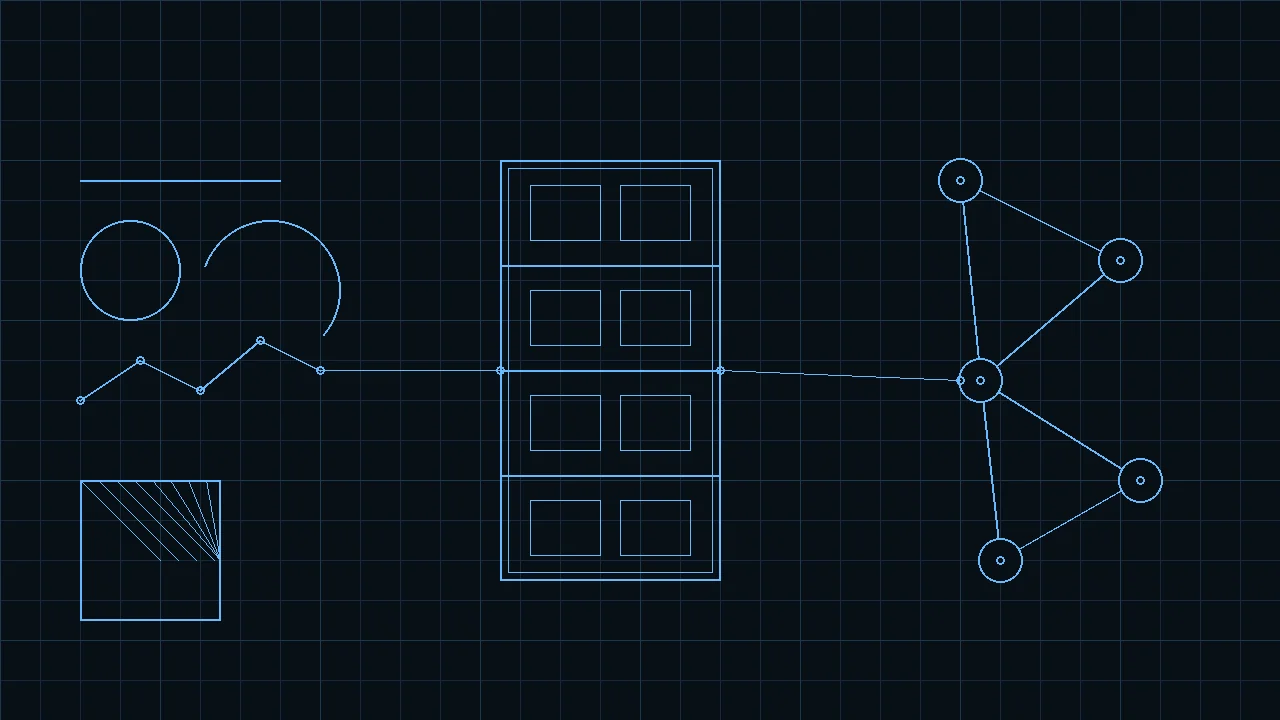
History of AutoCAD and Civil 3D: from the first DWG to the model that updates the corridor
How AutoCAD put CAD on the PC, and how Civil 3D joined Softdesk, Land Desktop, and CAiCE into dynamically related surfaces, alignments, profiles, and corridors.
7 min read
Note
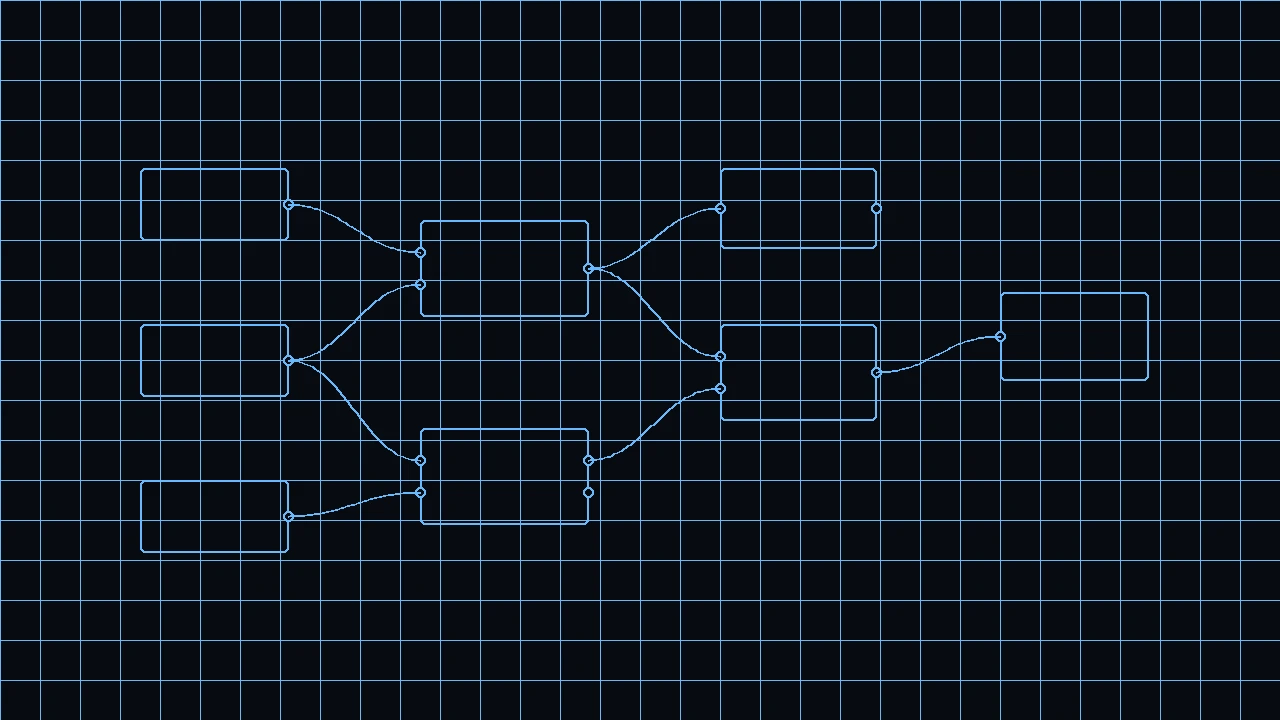
History of Autodesk: from CAD on a PC to trying to connect design, the jobsite, and data
From AutoCAD in 1982 to Revit, Civil 3D, subscription, PlanGrid, Construction Cloud, and Forma: how Autodesk moved from drawing on microcomputers to AEC platforms and AI.
6 min read
Note
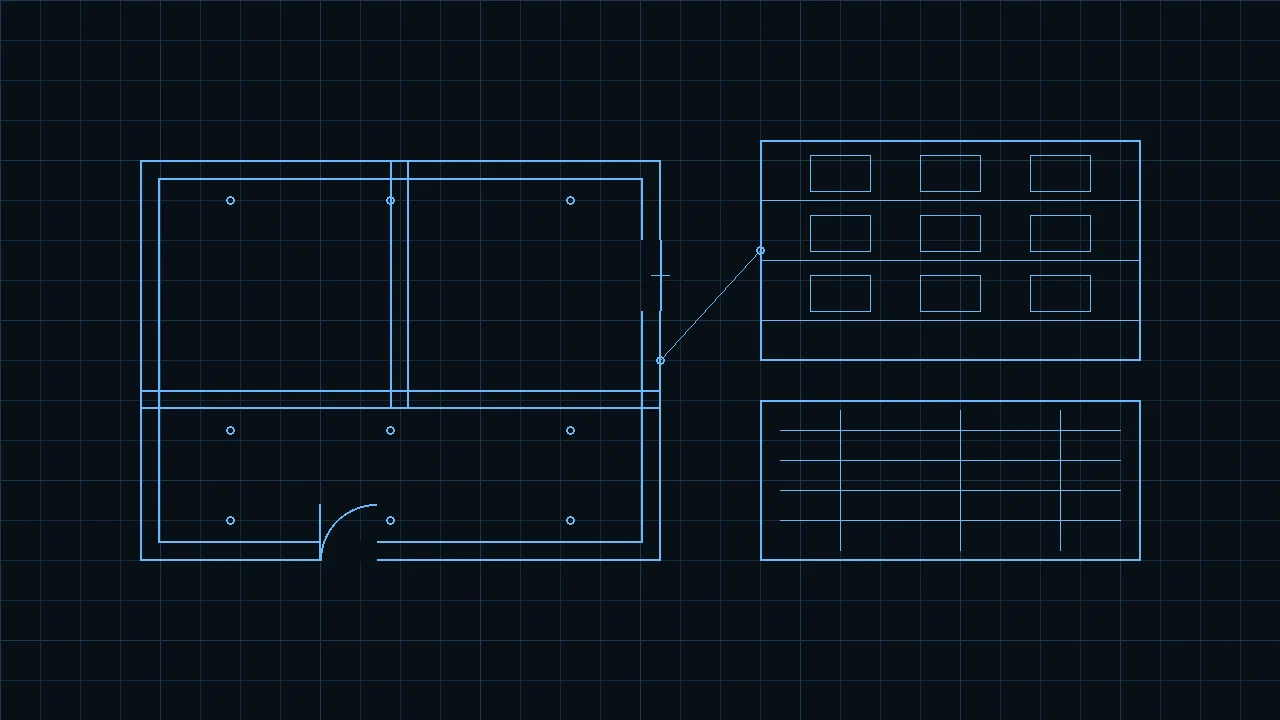
History of Dynamo: how to teach Revit to repeat the boring work
From Ian Keough and Buro Happold to open source, DesignScript, packages, Dynamo Player, Generative Design, and Dynamo in Civil 3D — no magic, just graphs.
7 min read
Note
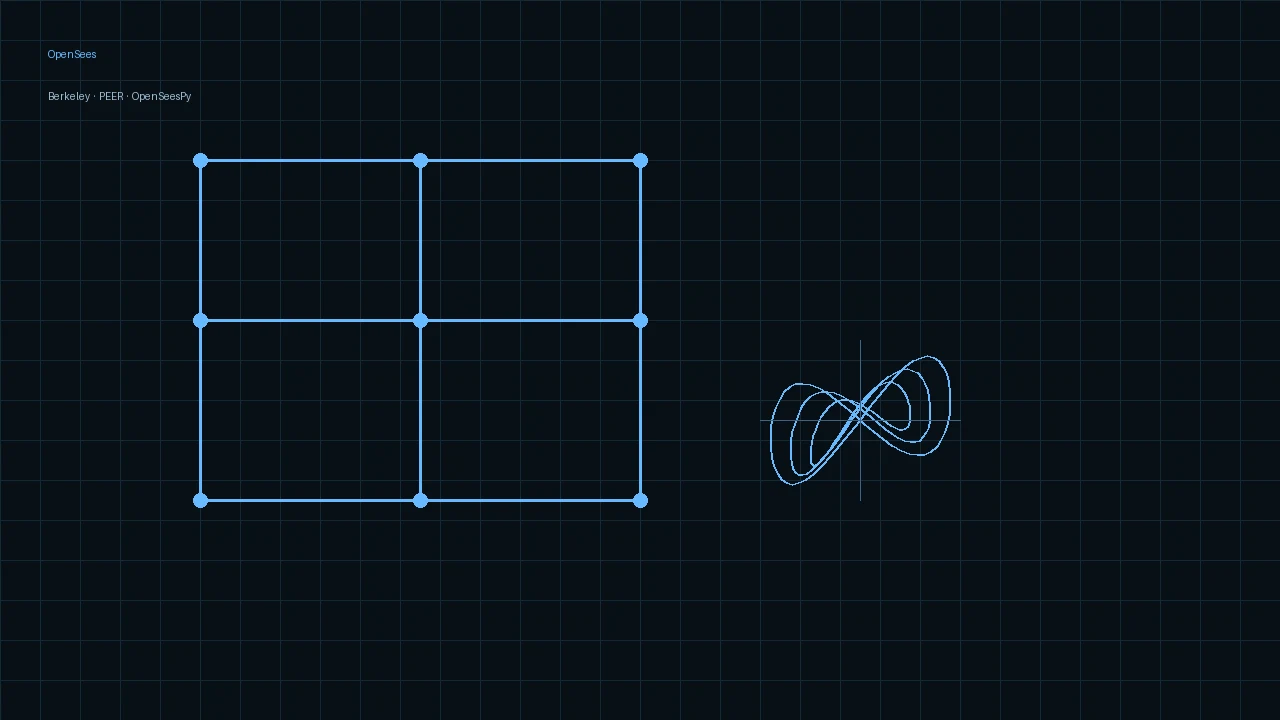
History of Revit: it was not born at Autodesk — it was born so a wall would not be two lines
From Charles River Software and PTC parametric modeling to Revit 1.0, Autodesk’s ~US$133 million purchase, Structure/MEP, families, Dynamo, cloud, and MCP in Technology Preview.
7 min read
Note
The history of OpenSees: from a Berkeley dissertation to one of the world’s most important seismic analysis engines
How OpenSees grew from an experimental object-oriented finite-element architecture at UC Berkeley into an open platform for nonlinear structural, geotechnical, and earthquake engineering simulation.
16 min read
Note
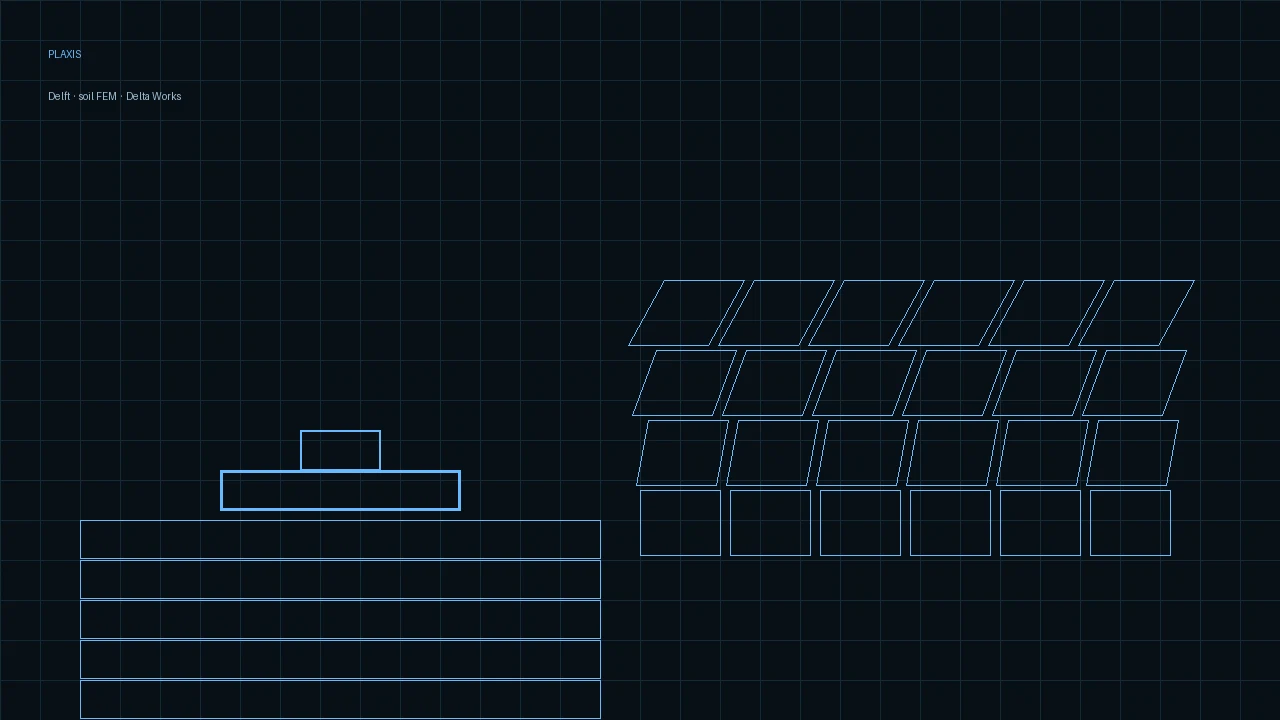
The history of PLAXIS: from Delft and the Delta Works to a global reference in numerical geotechnics
How PLAXIS started at Delft University of Technology as research code for soils and grew into a 2D/3D platform for excavations, tunnels, foundations, consolidation, dynamics, and soil–structure interaction.
10 min read
Note
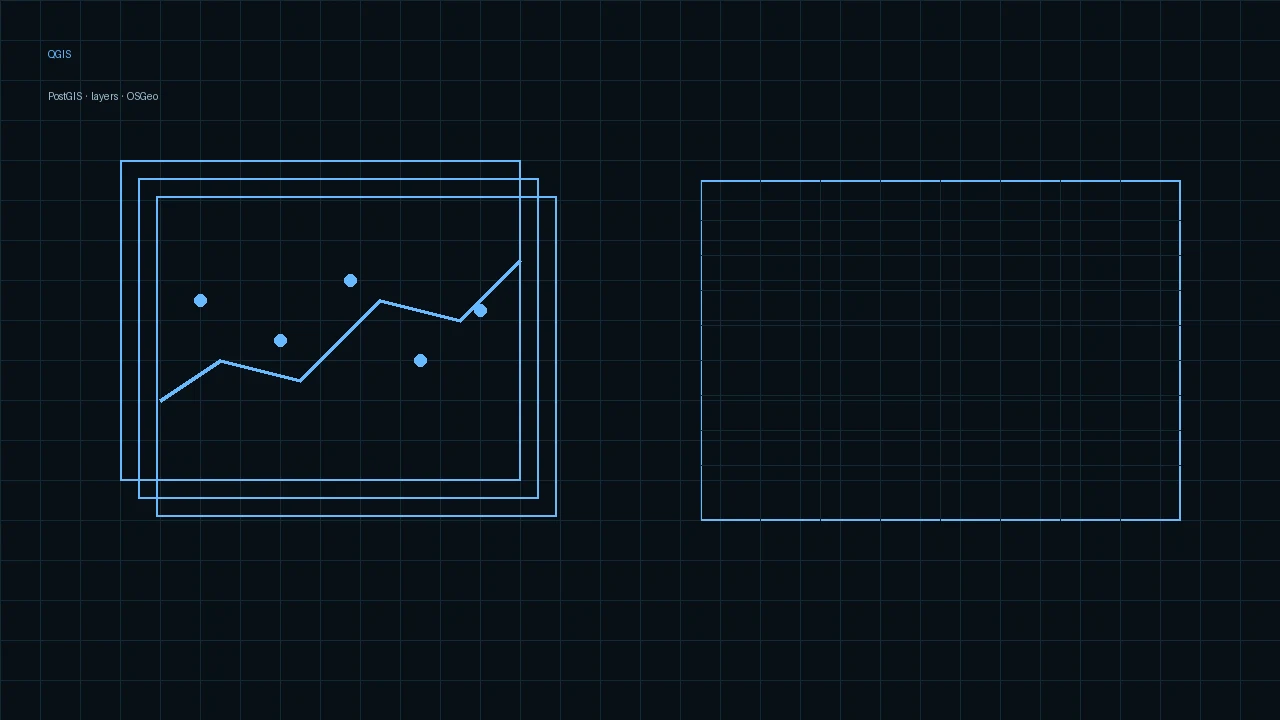
The history of QGIS: from a PostGIS viewer for Linux to one of the world’s most important open-source geospatial platforms
How QGIS began in 2002 as a small personal project, grew through a global community, and became a professional GIS platform with Python, plugins, analysis, cartography, 3D, and automation.
11 min read
Note
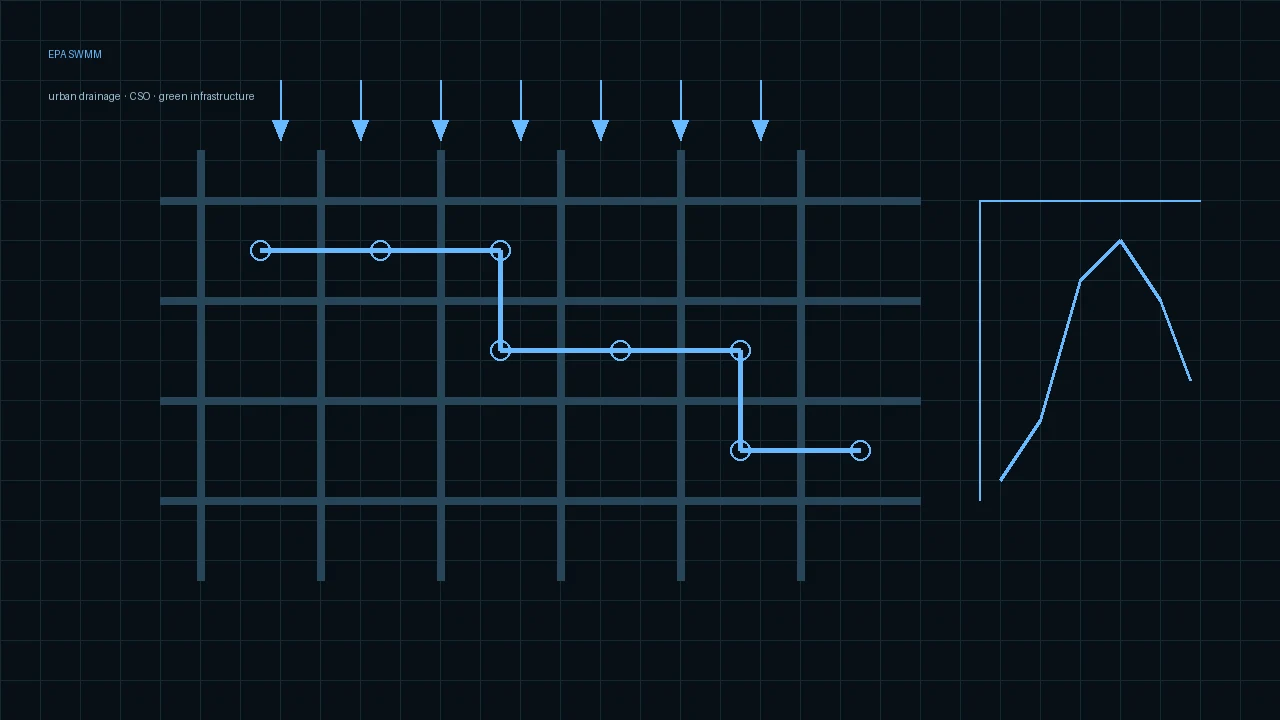
The history of EPA SWMM: from 1971 urban pollution problems to smart drainage and green infrastructure
How SWMM grew from a FORTRAN model for combined sewer overflows into one of the most important open-source engines for urban drainage, sewers, pluvial flooding, and LID.
9 min read
Note
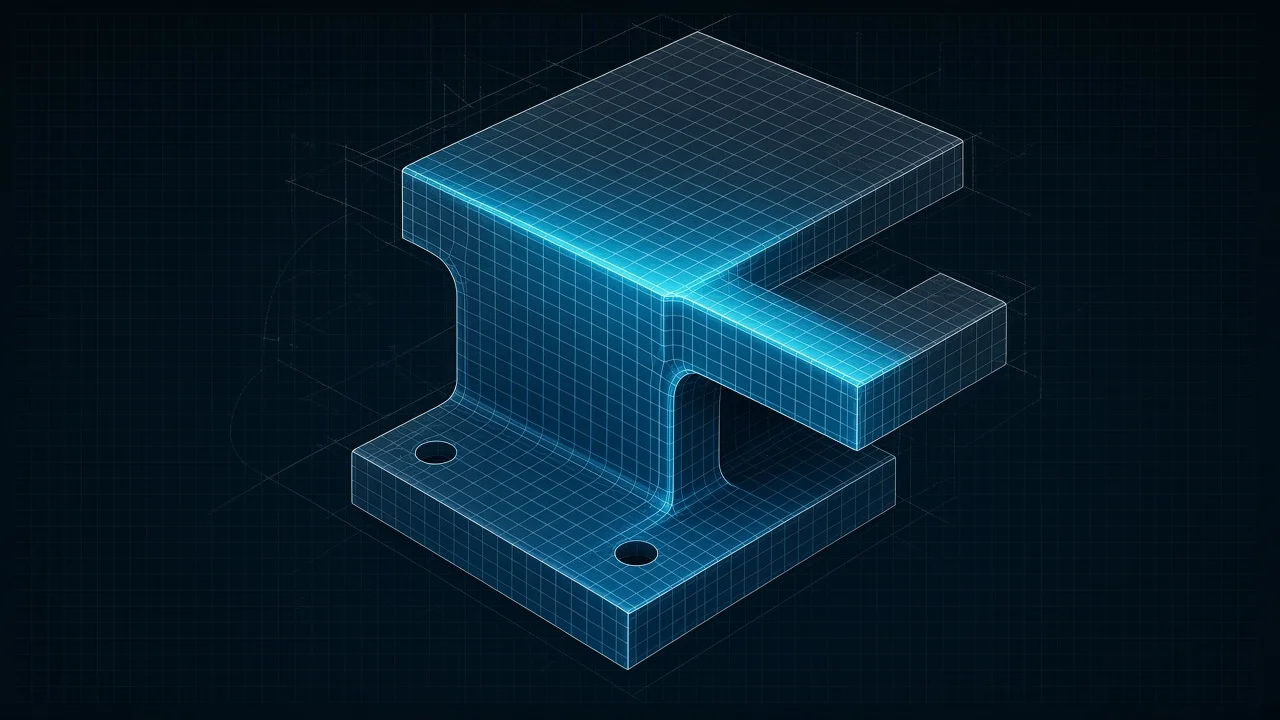
History of CalculiX, an FEM software whose creation involved a civil engineer
Guido Dhondt, a civil engineer (Leuven and Princeton), wrote CalculiX at MTU: open-source FEM for detailed analysis, not an ETABS substitute.
7 min read
Note
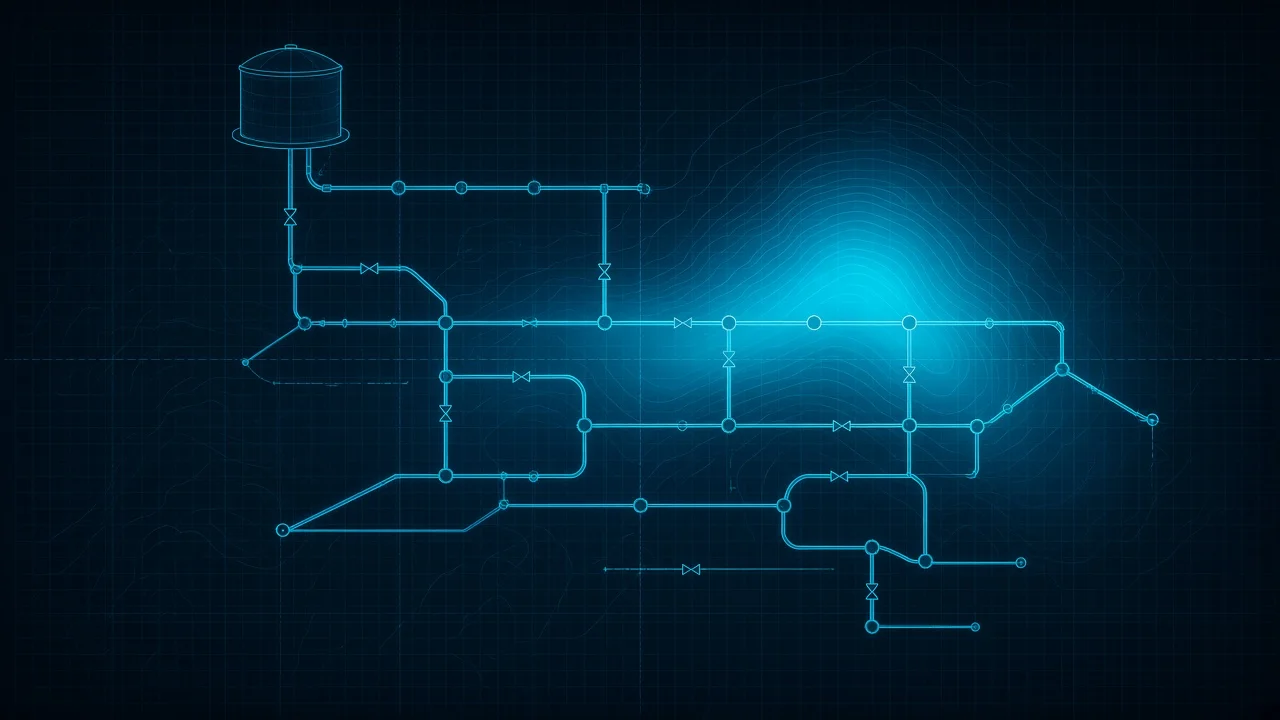
History of EPANET: how the EPA turned water networks into an engine that still runs
From QHCSIM (1991) to EPANET 2.2: Rossman, C plus Toolkit, Visual Basic then Delphi interface, MSX, OWA, and the experimental EPANET 3 branch.
8 min read
Note
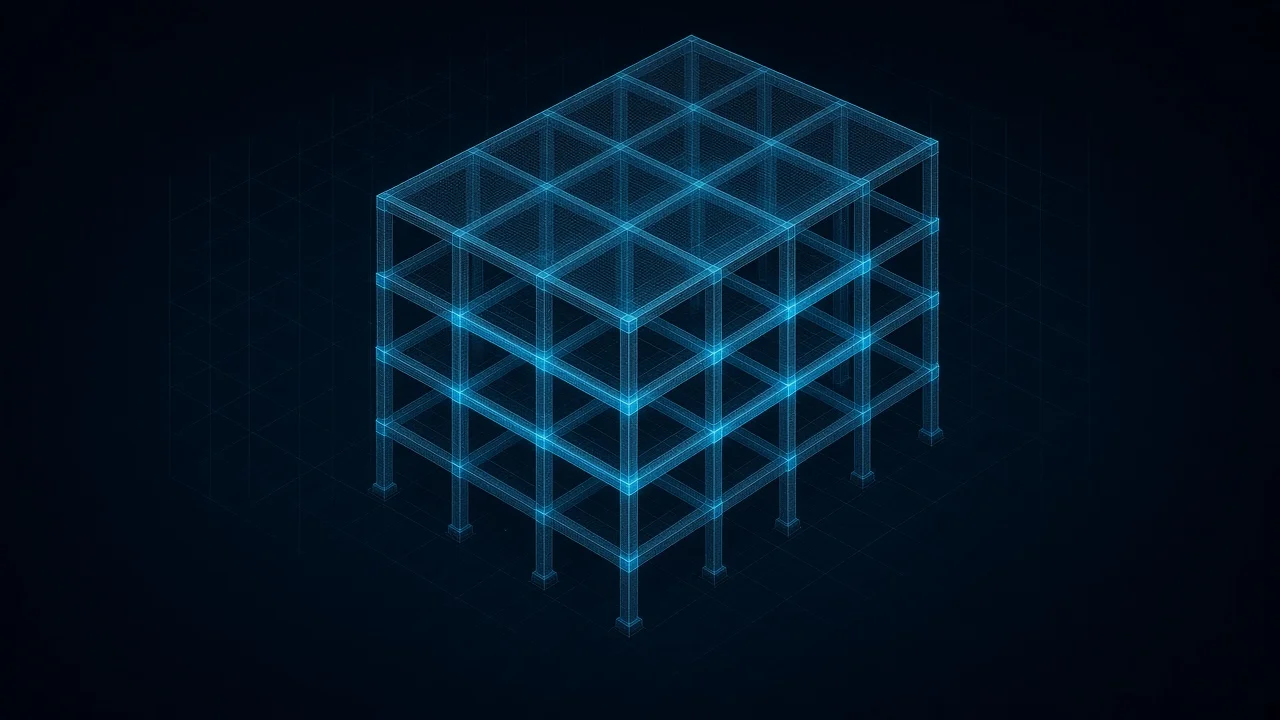
History of ETABS: half a century thinking in buildings, not loose nodes
From Berkeley and TABS to CSI: Wilson, Habibullah, and how ETABS turned stories, walls, and earthquakes into the structural engineer’s language.
5 min read
Note
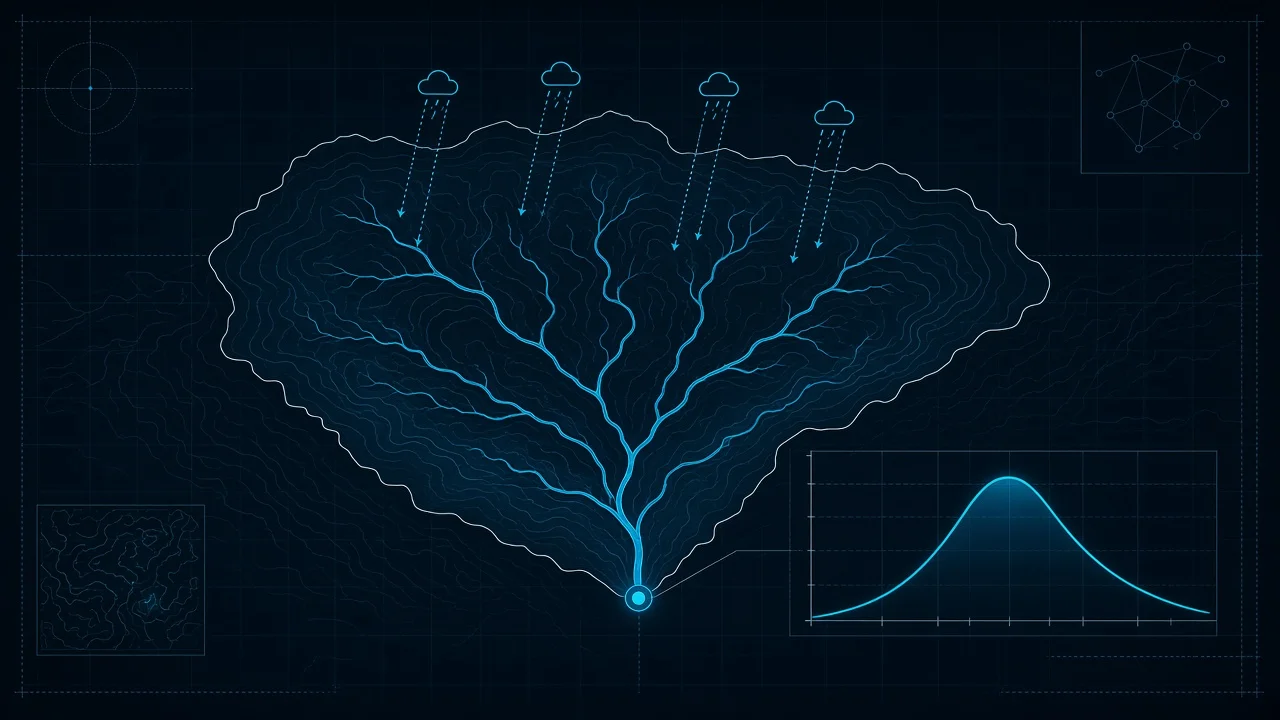
History of HEC-HMS: half a century asking how much flow the watershed yields
From HEC-1 (1967) to HEC-HMS: USACE, rainfall-runoff, routing, and why it is not the same as HEC-RAS.
5 min read
Note
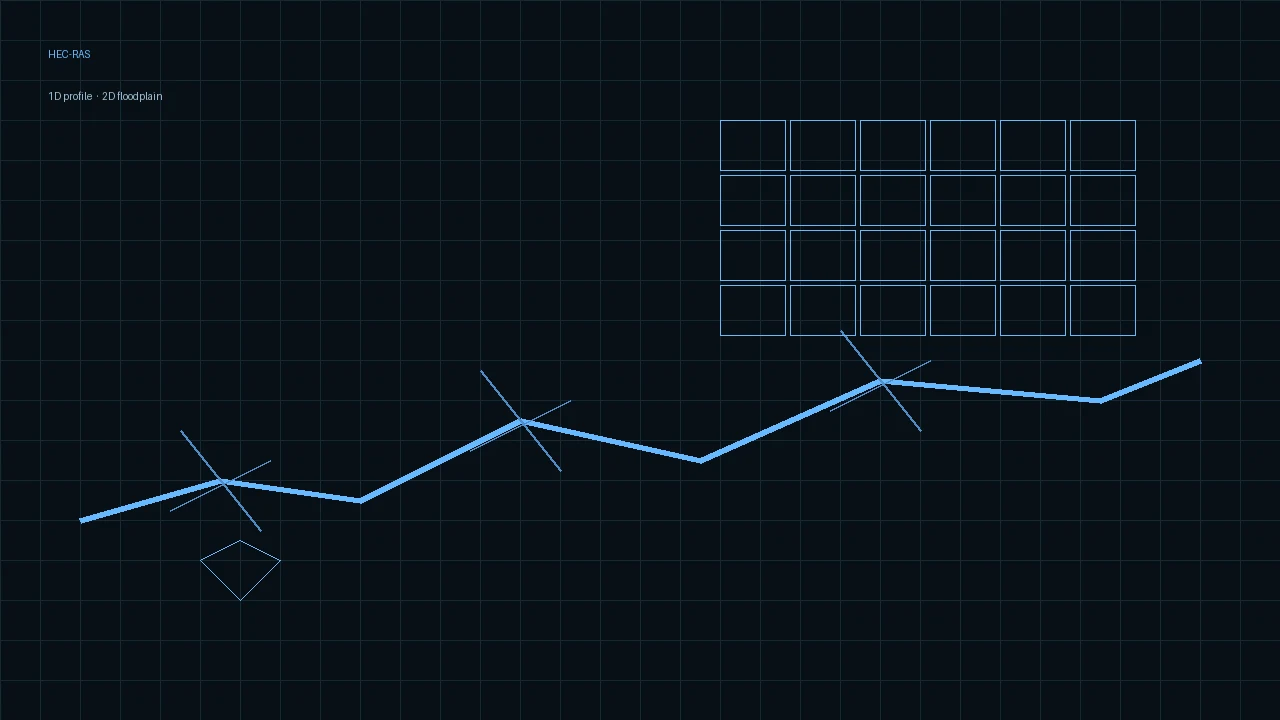
The history of HEC-RAS: from hand-calculated water profiles to 2D flood modeling
How HEC-2 evolved from the 1960s into HEC-RAS, one of the most widely used hydraulic tools for rivers, floods, bridges, dams, and 1D/2D modeling.
8 min read
Note
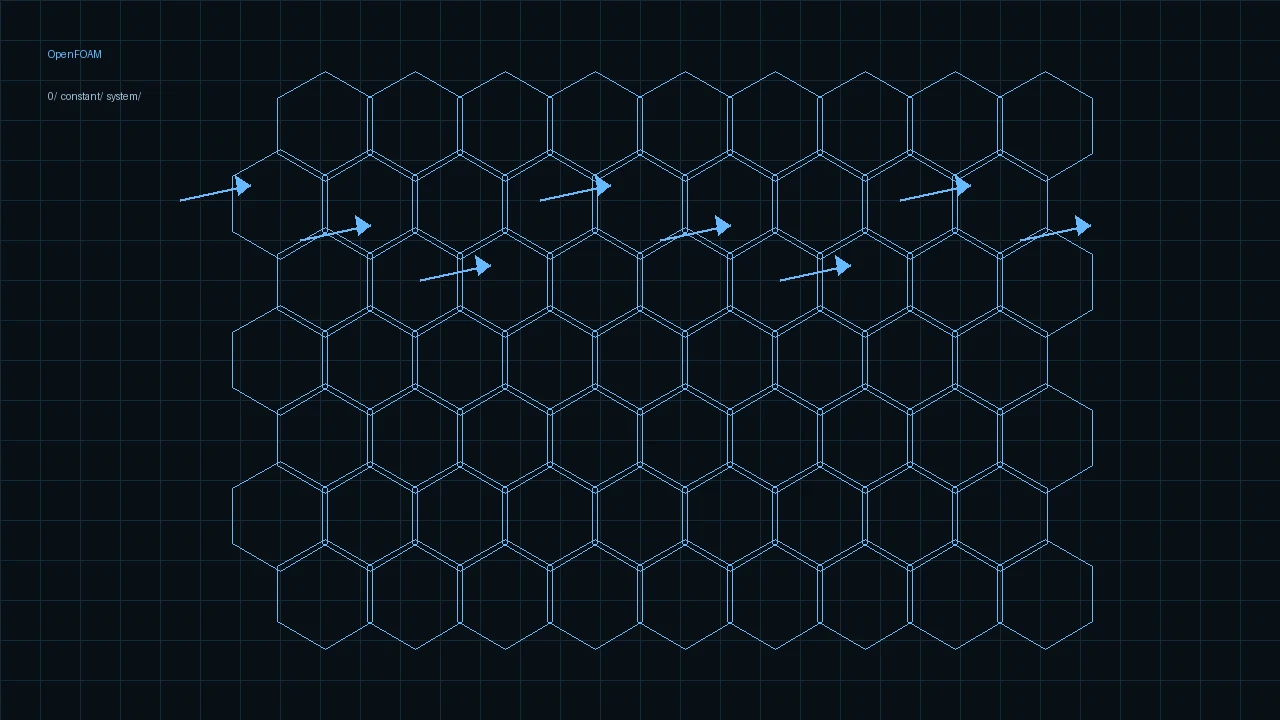
The history of OpenFOAM: from Imperial College CFD code to one of the most important open-source simulation platforms
How FOAM was born in 1989, became OpenFOAM in 2004, and ended up as an open platform for CFD, heat transfer, multiphase flow, and scientific simulation.
10 min read
Note
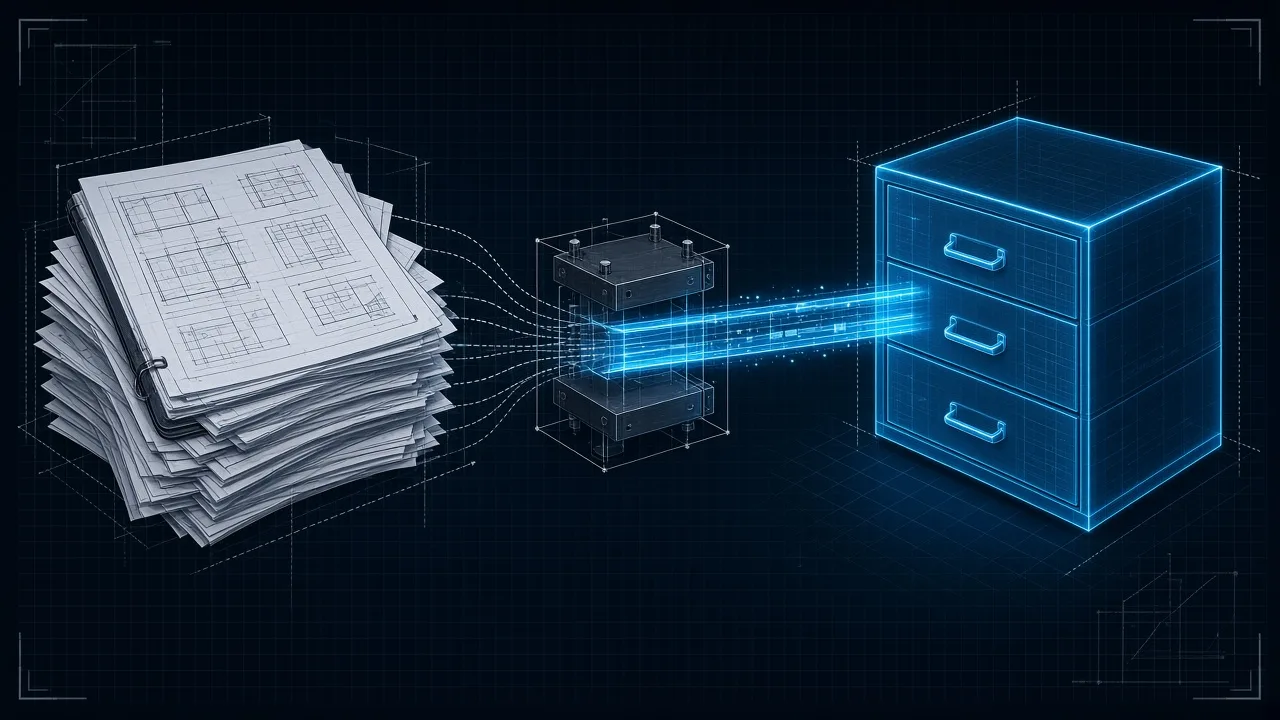
Your agent forgets what you told it before
The conversation grows until the harness desk will not take any more. Then the system summarizes the site diary: it keeps the plot, loses the fine detail, and sometimes forgets the kN that mattered. Engram is the searchable archive.
5 min read
Note
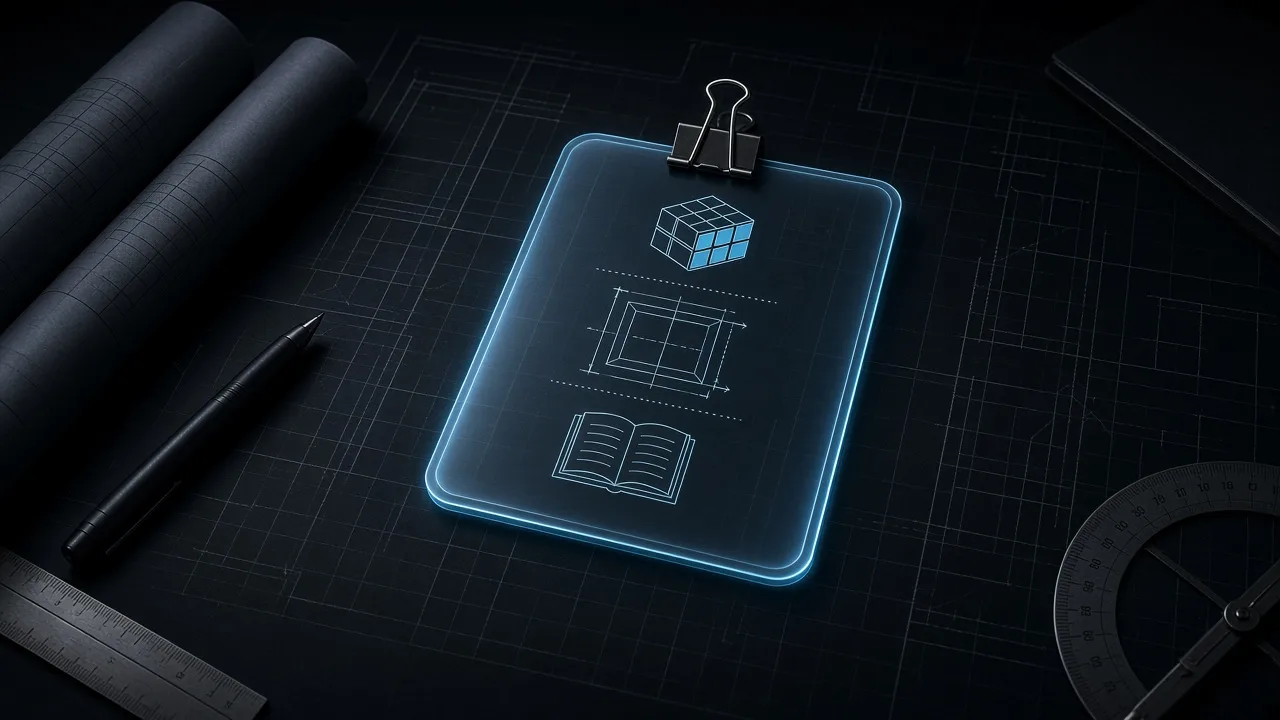
How to standardize the instructions you give an agent
A skill is not a new employee. It is the office’s laminated standard-procedure card in the harness: units, format, code or textbook. It sticks to whoever is already working.
6 min read
Note
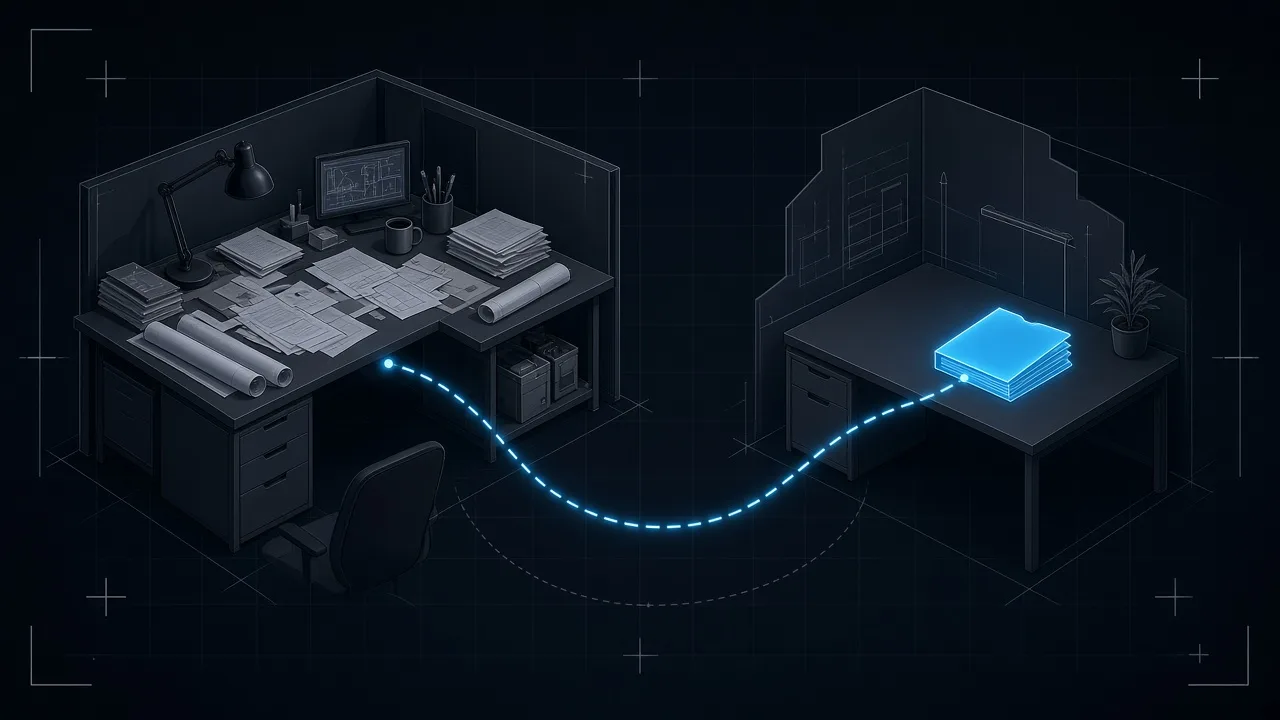
Understanding the agent's role in a harness
An agent is not a smarter chat. It is an engineer you send to another office with a clean folder: outside the main harness thread, with its own mission and a new desk. It comes back with a deliverable.
5 min read
Note
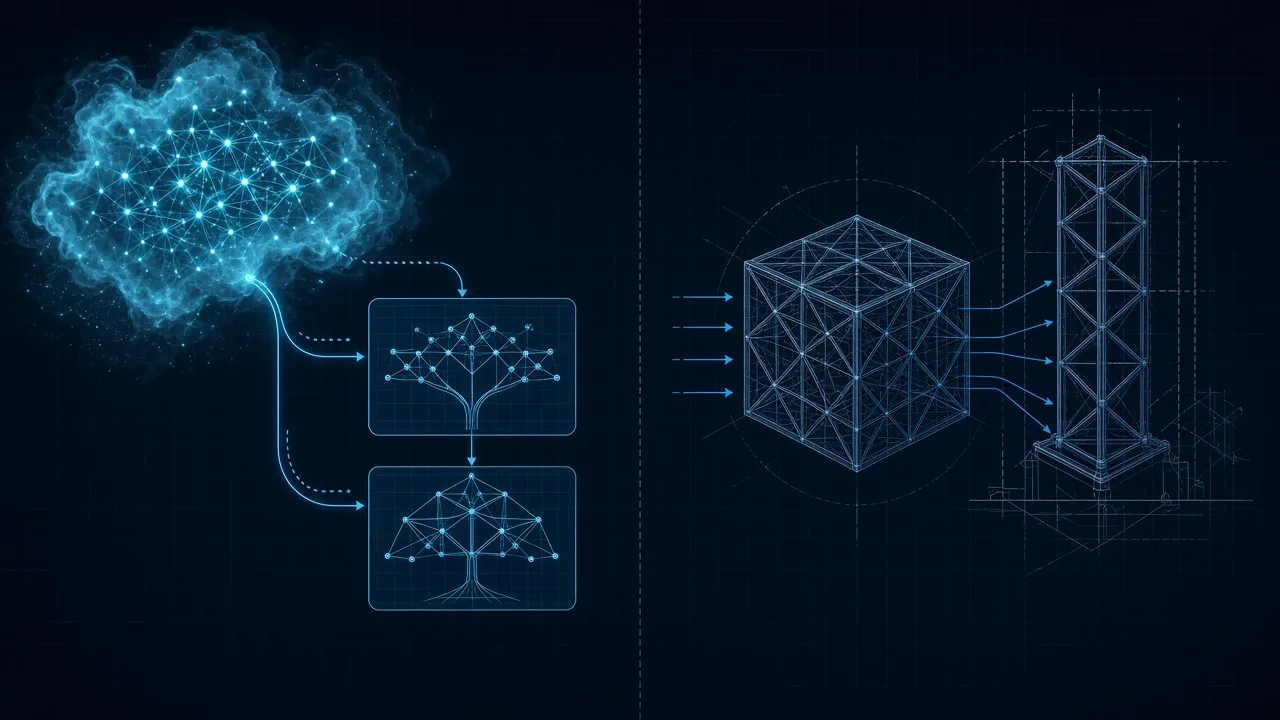
Same request, two results: your LLM does not calculate
An LLM is like an engineer with more or less training; the harness is the workshop. It predicts text with probability; it is not OpenSees or ETABS. Same request, two results: do not sign the chat.
4 min read
Note
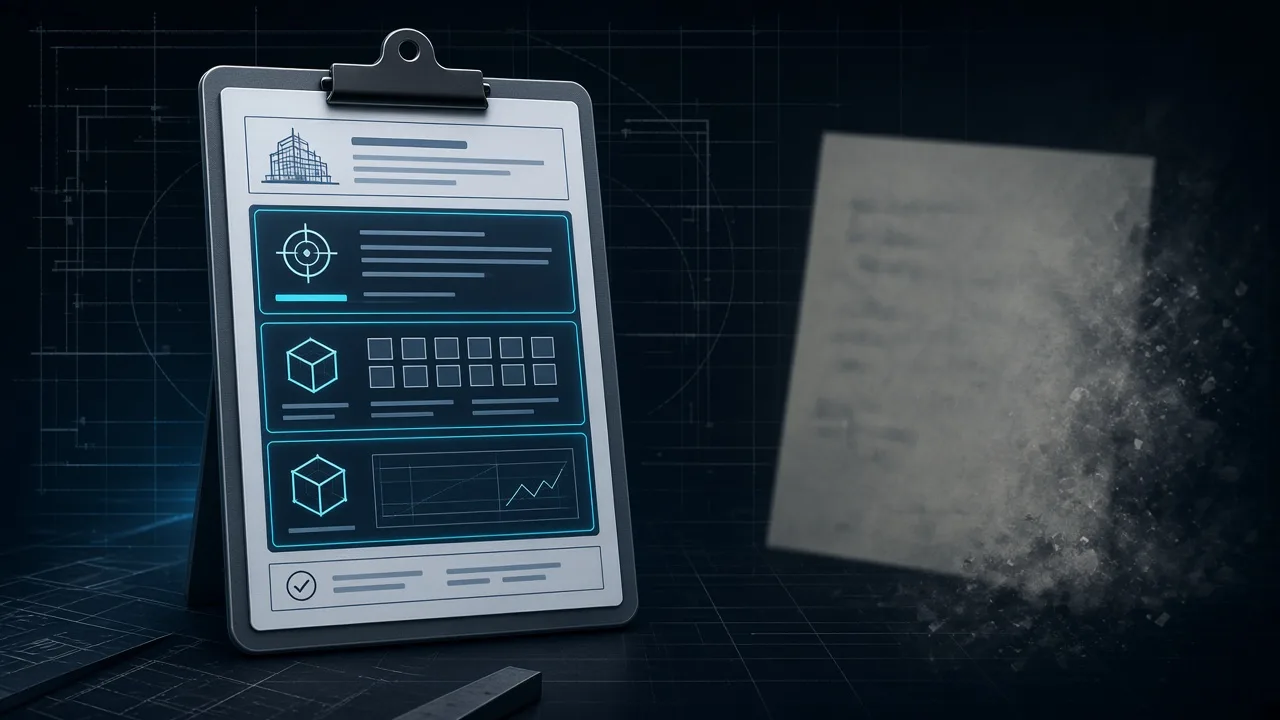
Prompt engineering for civil engineering
Prompt engineering is not a course in tricks: inside the harness it is designing verifiable instructions, like a clear work order to an engineer in the office.
6 min read
Note
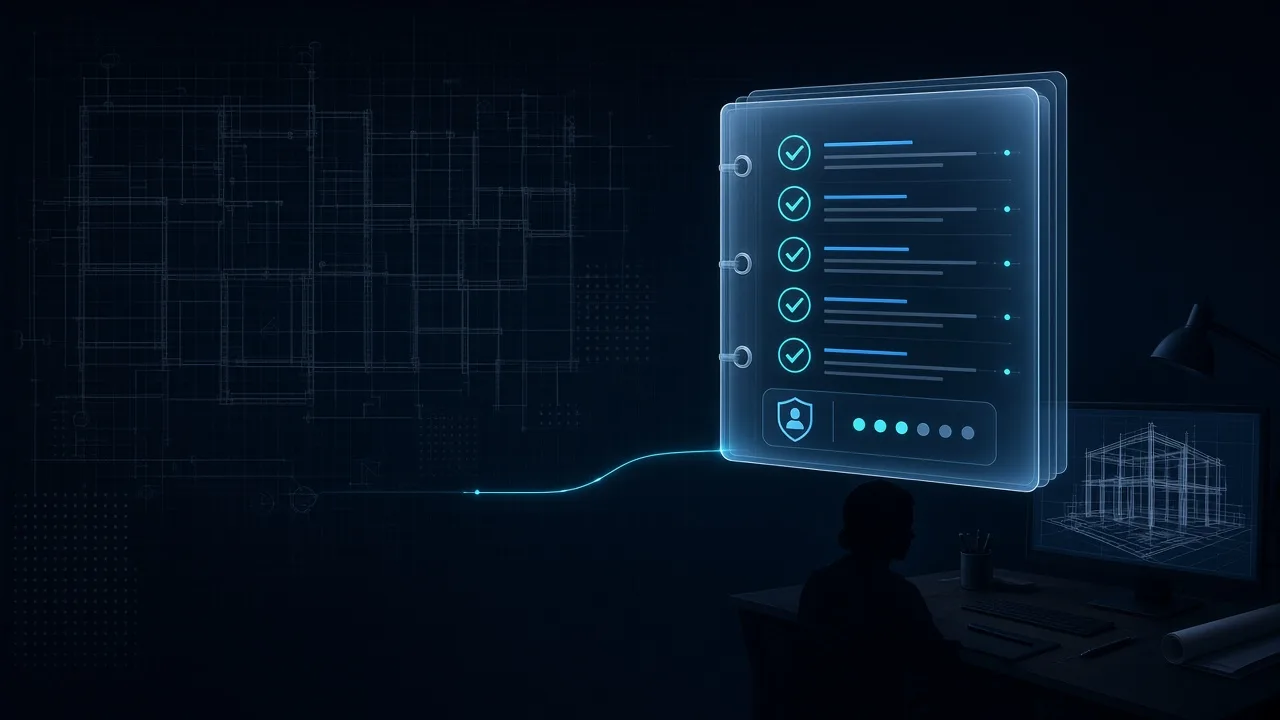
System prompt in civil engineering
A system prompt is like company policy in the harness: it is not pasted into every message. It defines how problems are solved, with which limits, and in which role.
5 min read
Note
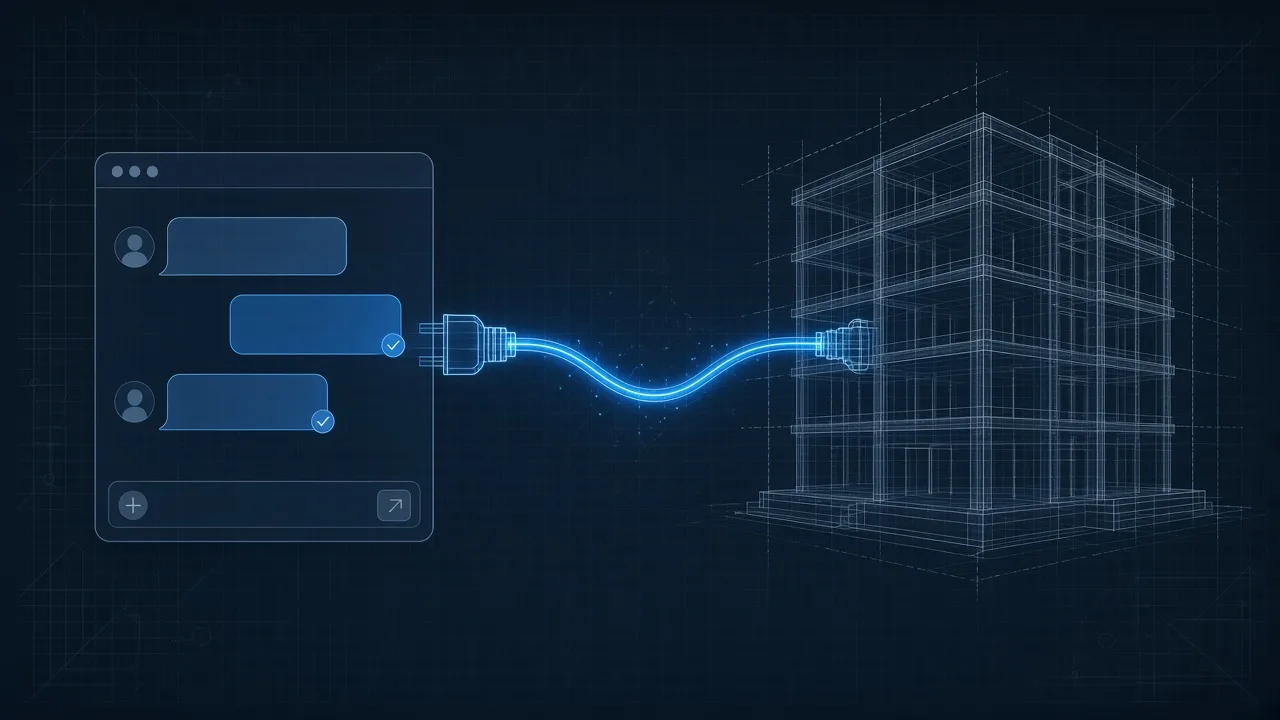
Make your AI use Revit
An AI that only writes text never touches your model. MCP is the harness plug that lets an assistant read and change Revit: real hands, not opinions.
6 min read
Note
The first thing you should learn to use AI as a civil engineer
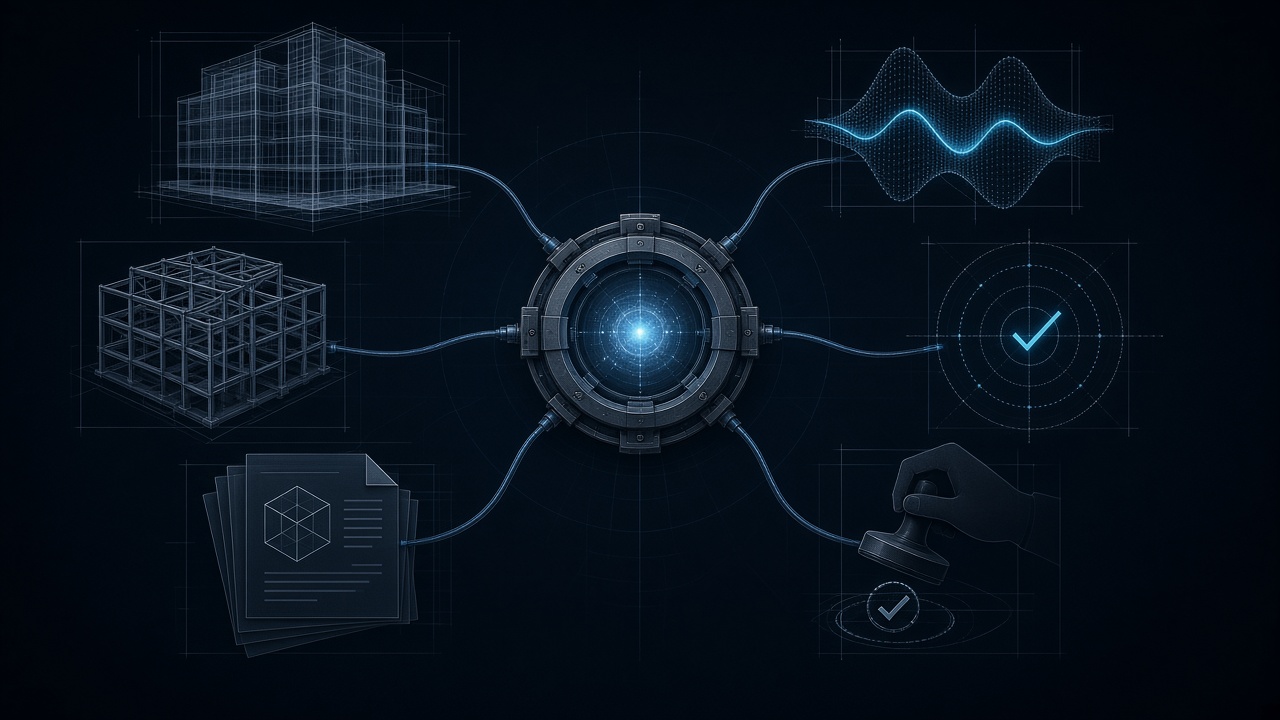
The chat gives you a number that sounds right. The harness — the frame around the model — is how that junior actually works: tools, instructions, checks, and your signature.
7 min read
No publications match these filters. Explore another discipline or show all content.